"All true art is voyeurism:" the painfully honest career of Teen Suicide's Sam Ray
"I was a fucking little asshole," says the reformed bedroom-pop auteur behind Ricky Eat Acid, Julia Brown, and Starry Cat.

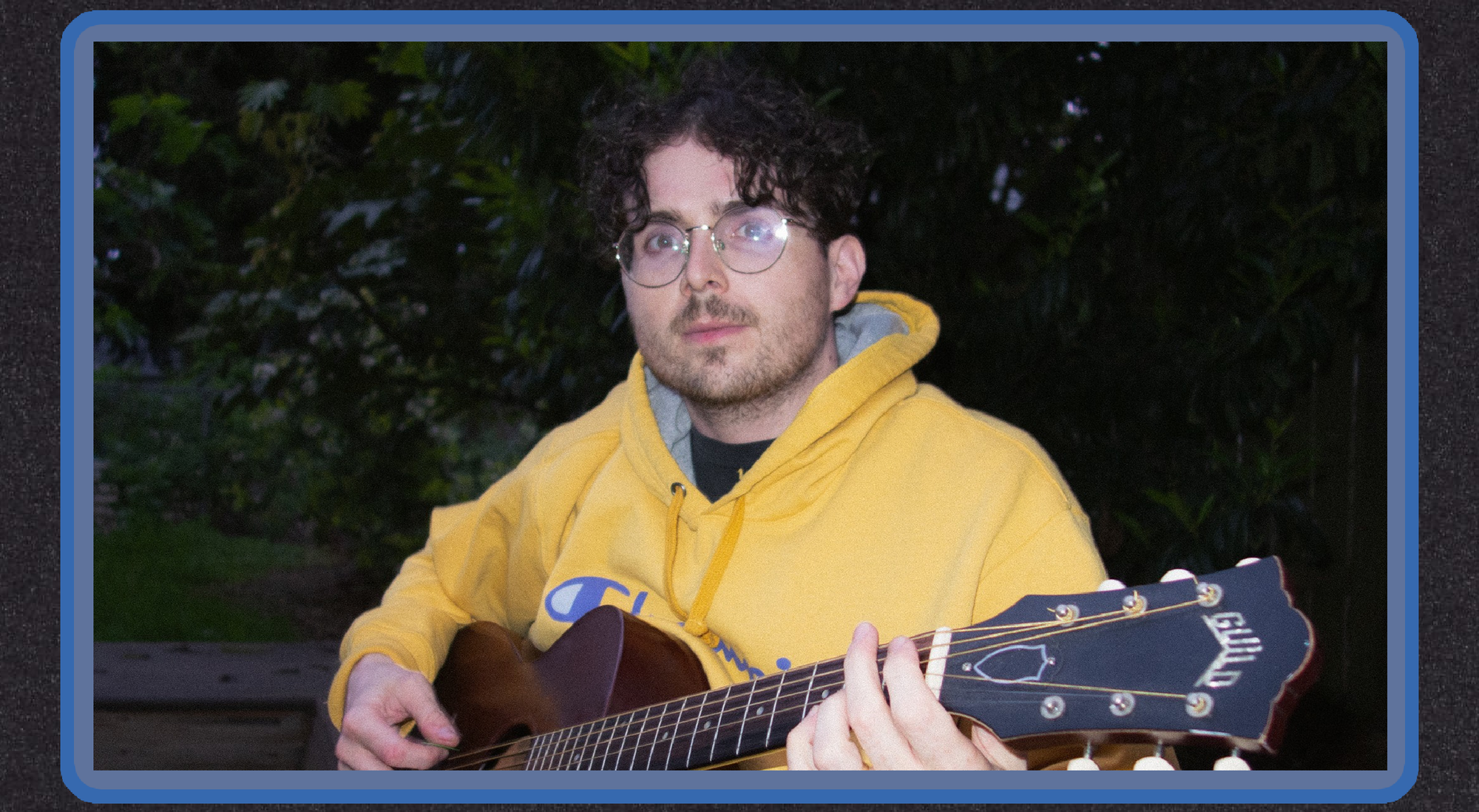
In 2018 I tweeted, "Getting attacked by Sam Ray on Twitter is getting yr DIY wings." I don't recall the exact context of that embarrassingly worded post, but I remember that in that era, if you engaged with indie-rock and emo discourse on Twitter, then there was a non-zero chance the singer of Teen Suicide, who then posted under the handle "@fugazi420," would jump in your replies. It happened to me, it happened to many-'a mutual, and it didn't stop me from admiring Ray's expansive discography, which not only encompassed the lo-fi instigators Teen Suicide, but also the moody electronica of Ricky Eat Acid, the tattered twee collective Julia Brown, and the cult-adored bedroom-pop of Starry Cat.
Throughout the 2010s, Ray's combative online personality was part and parcel with his prolific outpouring of music, which could be abrasively scratchy, restoratively chill, or uncannily melodic, but was almost always uncomfortably sincere in ways both humorous and horrifying. His projects were helping pioneer a new wave of homemade music that was culturally thriving on Tumblr and artistically stationed on Bandcamp. "FFO: Alex G, Teen Suicide, Elvis Depressedly, Spencer Radcliffe" was becoming a whole genre unto itself, and as a depressed 21-year-old who witnessed that scene's explosion, I was primed to obsess over Teen Suicide's sprawling 2016 comeback LP, It's a Big Joyous Celebration, Let's Stir the Honeypot,

A lot has happened to Teen Suicide, and Ray, since then. They briefly changed their name to American Pleasure Club in the late 2010s, then changed it back to Teen Suicide, then experienced a surge of fan activity on TikTok, then released some very different sounding new records, and are now about to embark on another major switch-up, as Ray revealed during the three-and-a-half hour conversation we had below. Meanwhile, Ricky Eat Acid, the project that he first became known for in the early 2010s, has been largely dormant over the last eight years, as have Julia Brown and Starry Cat, even as those bands' legacies have, like Ray's personality, matured tremendously.
Over time, my relationship with Ray's music has wavered, but every time I revisit Honey Pot, I marvel at its awesome musical scope, and snicker at its sordid tales of drug addiction, debilitating depression, and dirtbag existentialism. In the 10 years since that record was released, I never had a chance to interview Ray. We had only interacted on Twitter when we were both younger and, in our own ways, considerably more insufferable. Ray's grown a lot since then, which he's demonstrated not only in interviews and in his (mostly) less unhinged posting style, but also in his songwriting with Teen Suicide, which is now a collaborative venture with his wife, Kitty Ray, and their other two bandmates.
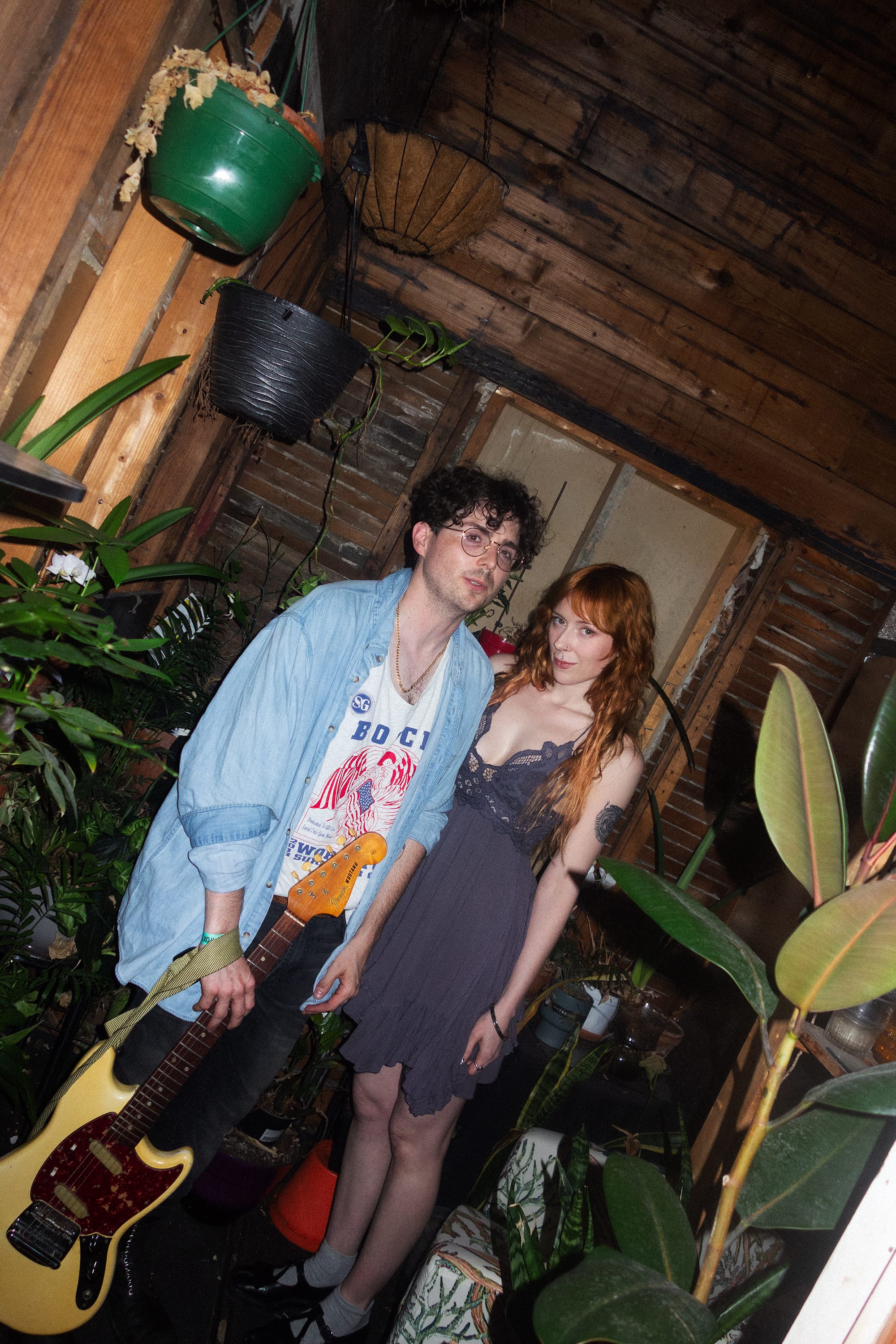
The further we get from the 2010s, the more apparent Ray's longtail influence on indie music becomes. And the further he evolves from the obnoxious, albeit captivating, character he portrayed during his 20s, the more interested I am in his arc as a person, an artist, a subcultural folk antihero. In late October, I chatted with Ray for a good long time about 10 year's worth of pent-up questions.
Our conversation covers the many colorful chapters of his music career, his tumultuous childhood, overcoming heroin addiction, the voyeuristic appeal of his music, the unusual trajectory of Teen Suicide, the "cliquey" bedroom-pop scene of the 2010s, being disappointed by his idols, wild stories from touring with Alex G in 2015, ghost writing for major producers, the Car Seat Headrest beef, a long-awaited new Ricky Eat Acid album, the history – and future – of Starry Cat, the story of Julia Brown, being a "fucking little asshole" online for many years, and reckoning with the internal conflicts that caused him to behave that way – and ultimately grow out of it.
We also discuss his recent move to Portland, the economics of being a full-time musician, his long relationship with Spencer Radcliffe, the advice he gives younger bands, what he's been listening to lately, and much, much more. The whole conversation, lightly edited and condensed for clarity, is available below for Chasing Sundays subscribers.