Debating The Strokes and revisiting the "new rock revival" with Steven Hyden
Including digressions on The Hives, The White Stripes, the speed of trends, the value of novelty in music, the rise of Geese, and more.

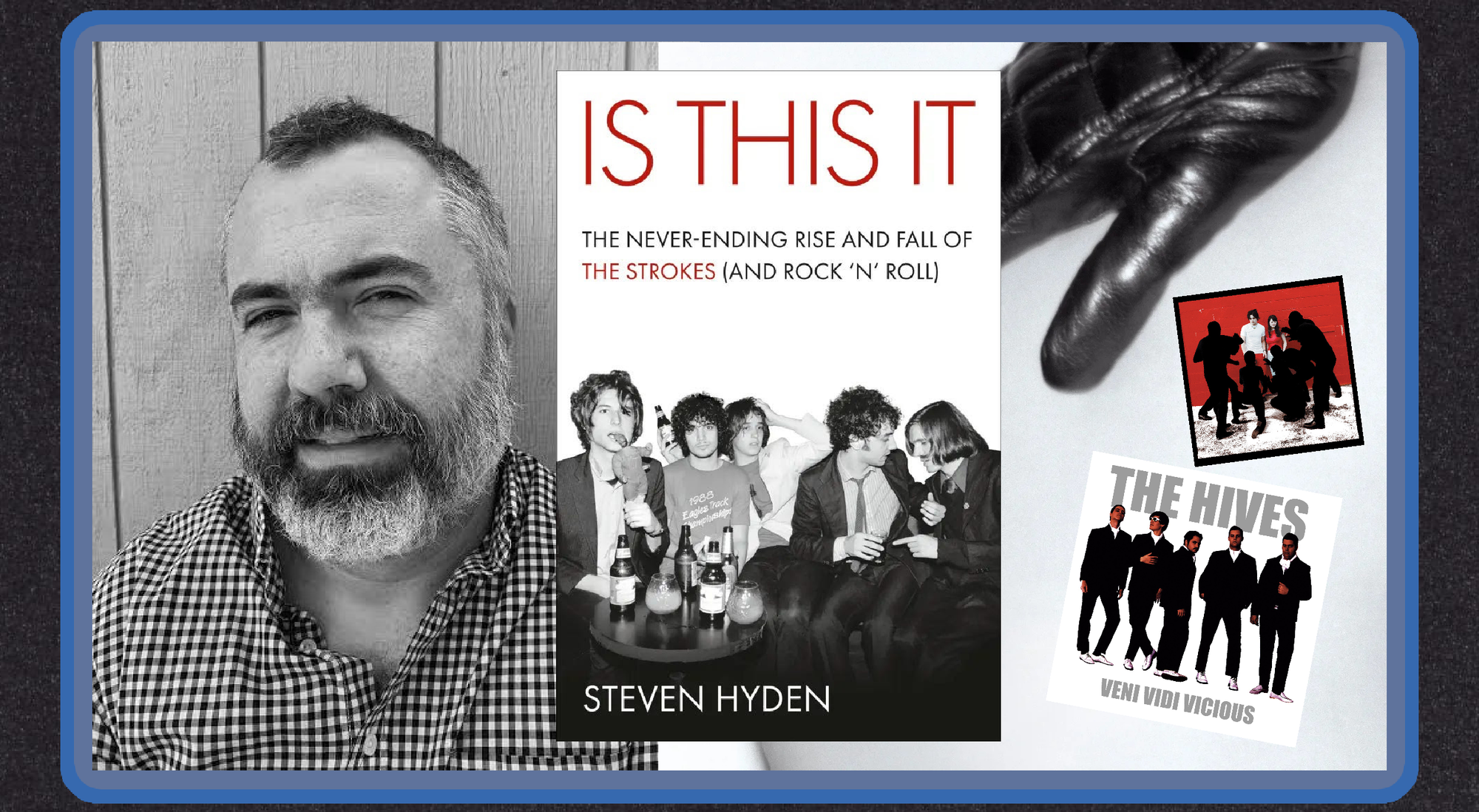
I'll get this out of the way up top: I don't like The Strokes. Of course, they have a few undeniable bangers. I don't need to list them off because you know which songs I'm talking about – unless you think I'm talking about songs on their latest album, which is one of the worst records I've heard all year. So no, I don't like listening to The Strokes very much, but I do enjoy reading and thinking about The Strokes. The Strokes are a very interesting band with a unique and complicated history that speaks to the unique and complicated history of rock music in the 21st century, which is why I was excited to read Steven Hyden's latest book, "Is This It: The Never-Ending Rise and Fall of The Strokes (And Rock 'n' Roll)."
The book examines the history of The Strokes from the perspective of a music writer who was not in New York during their historic rise, and who was actually somewhat skeptical toward the band at the start of their absurdly hyped takeoff. Eventually, Hyden became, like most rock scribes at the dawn of the new century, smitten with the New York band. Their aura, their quasi-retro sound, the incoherent star power of their frontman, Julian Casablancas, and what The Strokes meant to rock during a period of great transformation for the genre. Throughout "Is this It," Hyden makes the argument that The Strokes are the last great rock band of the 20th century, which is a deliberate way of framing a band who've been canonized as vanguards – as saviors, as failures – of 21st century rock.
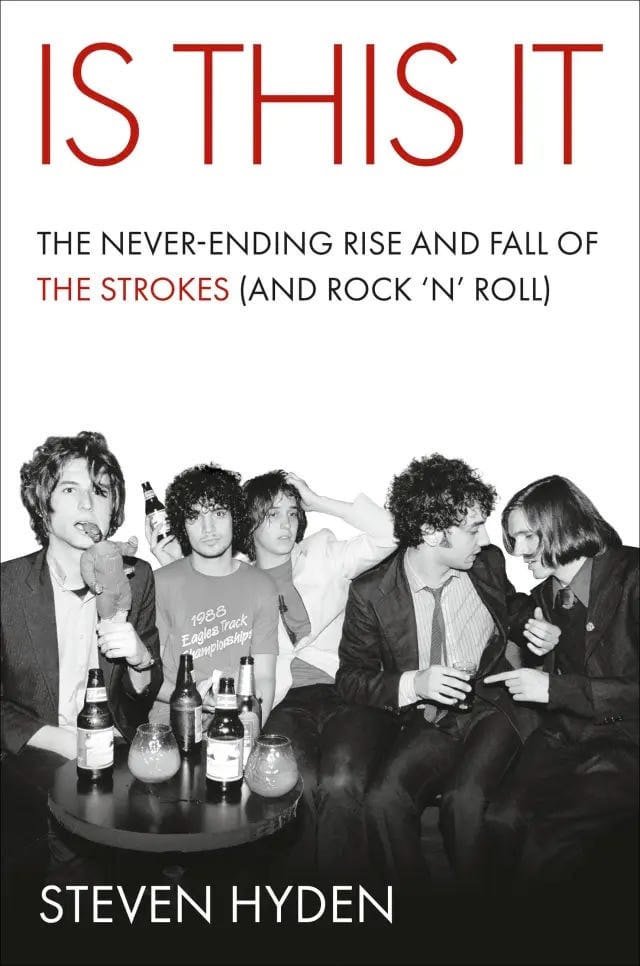
Buy and read 'Is This It', one of the most entertaining books of 2026.
"Is This It" is about The Strokes, but it's also a book about rock history. Providing everything from commentary on The Rolling Stones to a sober analysis of the so-called "new rock revival." A press-led movement that The Strokes, alongside The White Stripes and The Hives, were made figureheads of in the early 2000s. By the time I got into some of these bands as a middle-schooler (2006-2009), the fervor around their vaunted reinvigoration of guitar music had quieted, and most of them were considered past their prime. I didn't consciously experience The Strokes' explosion as it was happening, and therefore, I have a very different perspective on that era of music than Hyden does.
Our differing opinions on, and vastly different experiences with, The Strokes made for a fun, spirited, and sometimes contentious conversation. During an hour-long chat, I asked Hyden, who runs the essential Substack Evil Speakers, about the Strokes' fluctuating legacy, the critical consensus around rock music in the 2000s, the speed of trends then vs. now, the value of innovation in music, his framing that Geese are the new Strokes, his thoughts on Mark Fisher/Simon Reynolds's writing about nostalgia in the 2000s, his cruel dismissal of The Hives, and much more.