
Bilmuri, slob brainrot, and the triumph of meme metal
The one-man pop-metalcore meme star is among the biggest acts in modern metal. Is the culture cooked or am I simply too old to get it?

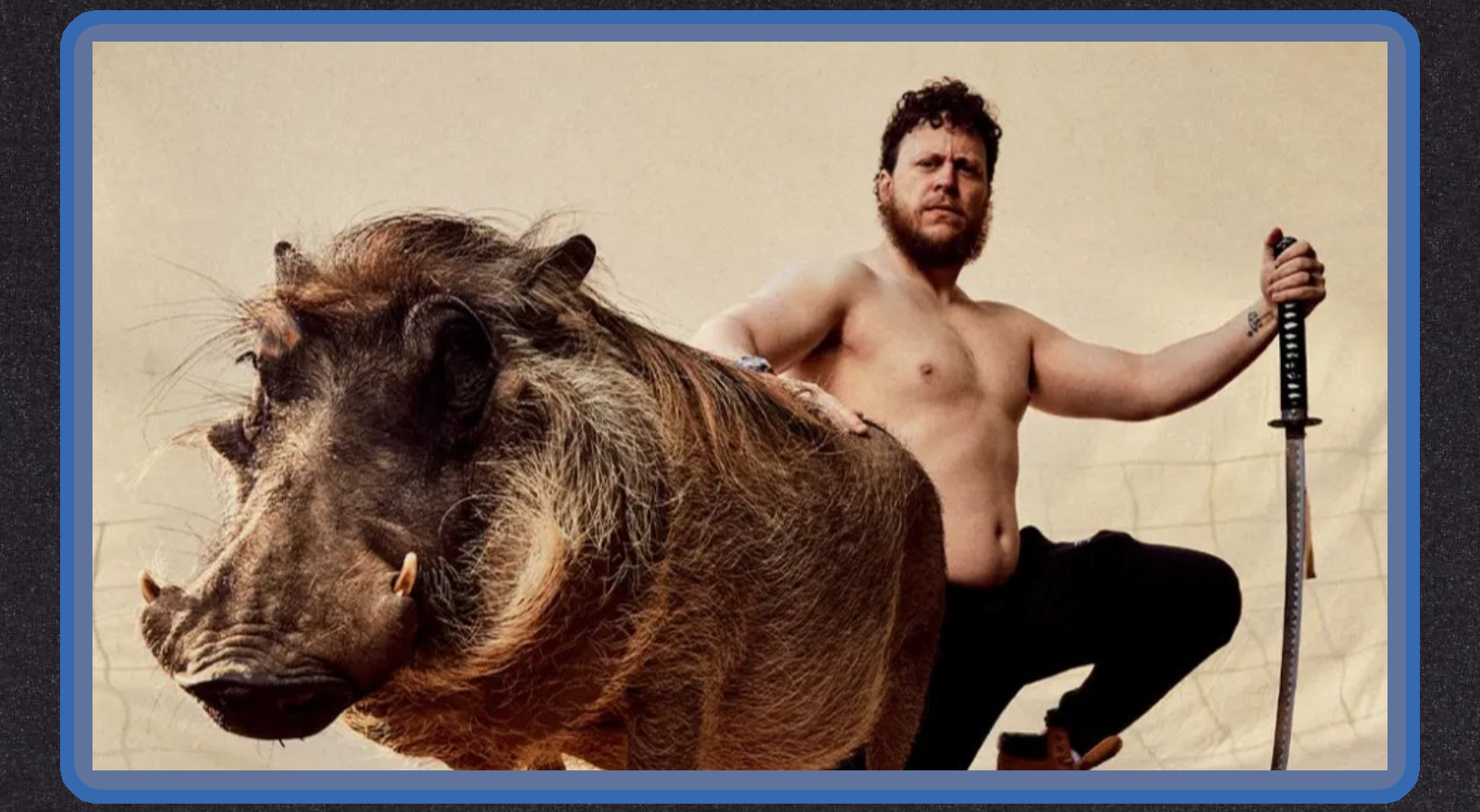
There's a Seth Rogen quote that I can't find of evidence of online, nor can I remember the precise wording, but it went something like this. Rogen was being asked by a late night host to defend the comedic merits of his latest film (this was in the mid-2010s, I believe), and the actor-director just sort of shook his head and leveled with the interviewer by saying, "it's for teenagers." In as many words, Rogen was basically saying "it's not that serious," and reminding anyone in his aging audience who hadn't lived under their parent's roof since Superbad that he makes movies for kids. Intentionally. That's his fanbase. And to judge his art outside of the context of, "this is designed to appeal to potty-mouthed adolescents who are still a decade out from having a fully developed brain," is kind of missing the point.
I was reminded of that quote when I decided that I should finally write something about Bilmuri, the one-man pop-metalcore meme star who's now one of the biggest acts in modern metal (touring with Bad Omens, signed to major label Columbia, and about to headline shows in 4,000-cap rooms). Everything about Bilmuri (yes, pronounced like the Totally Epic, not all disgraced, actor) makes me recoil and groan like Hank Hill, which is a surefire sign that he's flourishing in a genre that continues to stray further and further from its elemental identity.

The 35-year-old refers to his fanbase as the "naysh" (as in nation), has a popular song called "ABSOLUTELYCRANKINMYMF'INHOG," has subsequently incorporated an endless deluge of "hog"-related jokes into his marketing campaigns, and has developed an aesthetic identity across his artwork, videos, and social media posts – all just as, if not more, important to his appeal than his actual music – that I would describe as slob brainrot. Basically, a collision of fried TikTok humor and the strain of millennial memery that involves quasi-ironic displays of patriotism and recitations of the phrase "America, fuck yeah!"
It's hideous, it's gauche, it's terminally un-funny, and it's literally designed to resonate with people who were born in 2008. Like, it's explicitly Not For Me in every conceivable regard. However, the degree to which it's succeeding at making Bilmuri an unlikely establishment figure in modern metal means that I must engage with it. In my 2024 State of the Scene report about metal's mainstream class, I had a whole passage where I opined that so many of today's metal stars are using metal as "a prop, a gimmick, or a counterweight to their otherwise non-metal sounds." I was writing about how bands like Sleep Token, Ice Nine Kills, and Our Last Night reduced metal to a sort of sonic Instagram filter that could be used to grant an otherwise non-metal artistic statement a stamp of metal credibility.
Bilmuri is the apotheosis of the wider genre's trend toward embracing pop over metal. Not just musically, although his songs are extremely pop-forward, but also visually and rhetorically, in terms of how his artistic persona is steeped in the pop culture of memes. He's looking around at the rise of Jelly Roll, Morgan Wallen, and Post Malone's country pivot; at the prominence of camo pants, trucker hats, and Nascar t-shirts; at the increased tolerance in metal for music that only qualifies as such by having a few djenty guitar riffs and occasional unclean screams in songs that could otherwise – and might anyways – play on mainstream rock or pop radio, and he's correctly recognizing that there's an untapped audience at this meme/music crossroads. One that consists of A Day to Remember fans who mostly listen to country and teenagers who think the word "hog" is funny, which sadly encompasses a lot of fucking people.
It would be convenient if Bilmuri was only popular because his Larry the Cable Guy Produced by Williams Street schtick was a siren call for simpletons who are merely in it for the laugh. But that's not true. The slob brainrot might get people through the door, but they stick around for Bilmuri's earnest portrayals of heartbreak and alcoholism, which are delivered in the form of pop-punk country and pop-metalcore country songs. Or, in the case of his new song "Twice," a style of sleek pop-rock reminiscent of The 1975 undergirded by djent guitars. His songs are catchy. They're tightly constructed. They're sometimes more clever than I'd like to give him credit for. They're mostly irritating concoctions of Touchtunes country and Sirius XM metalcore that amount to my least favorite trend of 2020s music: genre-blending for the sake of novelty rather than the purposes of songwriting craft.
Bilmuri is a symptom of the Reels-ification of popular music, in which a musician's output is formatted to be so ludicrous that it delivers an instantaneous reaction, allowing it to blend seamlessly into a feed of silly video content. To his credit, Bilmuri has an intuitive grasp on this paradigm shift that most musicians in the rock space have struggled (reasonably so) to adapt to. He knows how to fashion his music so that someone aimlessly scrolling will see a video of a guy on his lawnmower wearing a gaudy American flag t-shirt while making weird faces, and linger long enough to hear the sticky hook where 'Muri whines with a fake southern accent over rubbery djent pulses. At which point another hog has been trapped in Bilmuri's snare.
It feels pointless to try and parse whether the conceit of Bilmuri is his memes or his music because it's simply both. Without the gimmick, Bilmuri would just be another band who vaguely sounds like Dance Gavin Dance, except with a splash of twang. Without the music, he'd just be a guy making hog jokes. He's as much a musician as he is a content creator. He's as much a pop-rock singer as he is a metalcore headliner. He's as much a man getting vulnerable about how a recurring booty call makes him feel used and "empty handed" as he is a guy with a doughy, Chris Pratt circa Parks and Rec demeanor making gibberish edits with War on Terror fonts that suspiciously have no political valence whatsoever.
It's worth remembering that Bilmuri has never been a Serious musician. For a few crucial years in the late 2000s, the man named Johnny Franck was the clean singer and guitarist in the Ohio "crabcore" pioneers Attack Attack!. Their 2008 debut, Someday Came Suddenly, famously smooshed neon auto-tuned choruses and cheesy trance synths into a crude lint ball of breakdown-based metalcore that was entirely divorced from its hardcore origins. At the time, Attack Attack! were loathed by older metal bloggers and stuffy genre purists who didn't get their humor and thought that their music was an affront to the culture, but my generation of teenage scene kid saw something special in Attack Attack!; amusing in their cartoonish outfits and synchronized dance moves, yes, but also genuinely radical in their fusion of glitzy synth-pop and guttural metalcore.
By the turn of the 2010s, right when Franck was exiting Attack Attack!, the entire sound of big-room metalcore had been remade in the joke-but-not-joke band's musical image. Suddenly, every trendy metalcore act had dance synths and T-Pain choruses in between their breakdowns, and with Bring Me the Horizon's 2013 synth-core lodestar Sempiternal, metalcore and pop would be lawfully wedded forever after, in sickness and in health. The viral popularity and then historical significance of Attack Attack! provides a few hard yet prescient lessons for metal gatekeepers: that memes, gimmicks, and goofery sometimes matter more than music. That sounds which may register as novelty dreck to skeptical ears might actually be the next frontier of musical innovation. And that all of this music is, first and foremost, meant for dumbass teenagers. Feed for hogs – err, food for thought.